What are pressure vessel inspections?
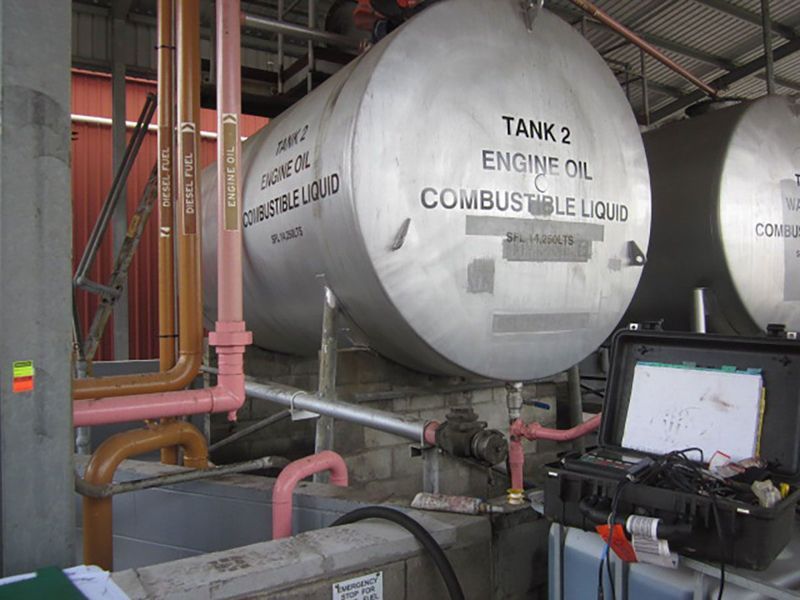
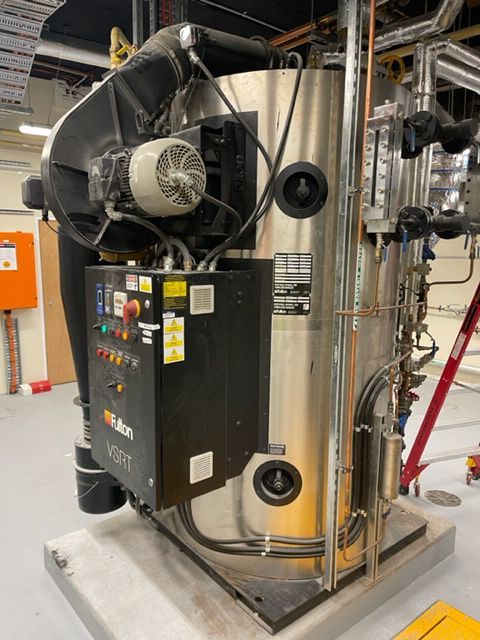
Pressure vessels are enclosed containers designed to hold gases or liquids under pressure that’s significantly higher than atmospheric conditions. They are commonly found in industries such as mining, oil and gas, energy, and manufacturing — often in the form of boilers, tanks, and process vessels. Because these assets operate under extreme conditions, regular inspections are essential to ensure safety, compliance, and reliability.
Why pressure vessel inspections are important
Pressure vessels are classified as hazardous equipment under Australian Standards (such as AS/NZS 3788 and API 510 internationally). Even small defects can escalate into serious safety risks, leading to leaks, ruptures, or catastrophic failures. Inspections help asset owners:
- Prevent accidents and protect workers
- Meet statutory compliance requirements
- Detect early signs of corrosion, fatigue, or cracking
- Extend the service life of equipment
- Reduce unplanned downtime and costly repairs
Types of pressure vessel inspections
There are several inspection methods used to verify vessel safety and performance. At Q-RIIMS, our services include:
- Visual inspections: Identifying cracks, leaks, and external corrosion.
- Ultrasonic thickness testing (UTT): Measuring wall thickness and monitoring degradation.
- Magnetic particle and dye penetrant testing: Detecting surface-breaking flaws in welds and components.
- Hydrostatic testing: Verifying leak tightness and pressure resistance.
- Vacuum box testing: Confirming the integrity of welded seams in tanks and piping.
- Positive material identification (PMI): Ensuring materials meet design specifications.
How often should inspections be carried out?
The frequency of inspections depends on the vessel’s type, operating environment, and risk profile. Australian regulations require periodic inspections at set intervals, but many asset owners also adopt risk-based inspection (RBI) programs. These combine statutory requirements with condition monitoring to determine the most effective schedule for each vessel.
Routine inspections allow small issues to be addressed before they develop into costly or dangerous problems.
Get certified pressure vessel inspections with Q-RIIMS
Pressure vessel inspections are more than a compliance box to tick — they are critical to ensuring safety, reliability, and efficiency across industrial operations.
Q-RIIMS provides certified pressure vessel inspections nationwide, with ISO-accredited inspectors and RPEQ-qualified engineers using calibrated equipment and proven testing methods. Our services include routine statutory inspections, risk-based assessments, and pre-commissioning checks, all backed by detailed, audit-ready reporting.
Contact us today to arrange an inspection, request a quote, or speak with our team about how we can support your compliance and asset integrity goals.
Frequently asked questions
What is the difference between internal and external pressure vessel inspections?
Both are distinct types of checks required to ensure the vessel's safety and meet statutory compliance:
External inspection: This is a visual check of the outside of the vessel. The inspector looks at the vessel’s surfaces, support structures, weld seams, insulation, and safety devices (like pressure relief valves) for any visible damage, leaks, or defects.
Internal inspection: This checks the inside of the vessel for issues that can't be seen from the outside, such as corrosion, erosion, cracking, and internal damage. This inspection can be done in two ways:
- Physical entry: A person physically enters the vessel to inspect it.
- NDT methods: Non-Destructive Testing (NDT) methods, such as ultrasonic testing, robotic cameras, or drone-based sensors, are used to assess the internal condition without requiring human entry.
Do pressure vessel inspections require plant shutdowns?
Not always. Some non-destructive testing (NDT) methods, such as ultrasonic thickness testing or ACFM, can be performed online without removing coatings or shutting down equipment. However, internal inspections usually require shutdowns for safe access.
How do risk-based inspections (RBI) affect inspection frequency?
Risk-based inspections use data analysis and strategic assessment to determine inspection intervals based on the likelihood and consequence of failure, as well as end of life characteristics. By prioritising assets according to their risk profile, RBI enables organisations to optimise inspection schedules—reducing unnecessary inspections while maintaining safety, reliability, and regulatory compliance.
What happens if a pressure vessel fails inspection?
Certified inspectors will provide detailed reports and formal recommendations, which must be addressed and verified before the vessel is deemed safe to operate
Which Australian Standards apply to pressure vessel inspections?
Key standards include AS/NZS 3788 (pressure equipment – in-service inspection), AS 1210 (pressure vessel design), and AS 4343 (hazard levels). Inspections must also align with ISO and API codes where applicable.
Can third-party inspectors be used instead of in-house staff?
Yes. Many companies choose independent, accredited inspectors (like Q-RIIMS) to ensure impartiality, compliance with statutory frameworks, and reliable documentation for regulators, insurers, and audits.