What is non-destructive testing?
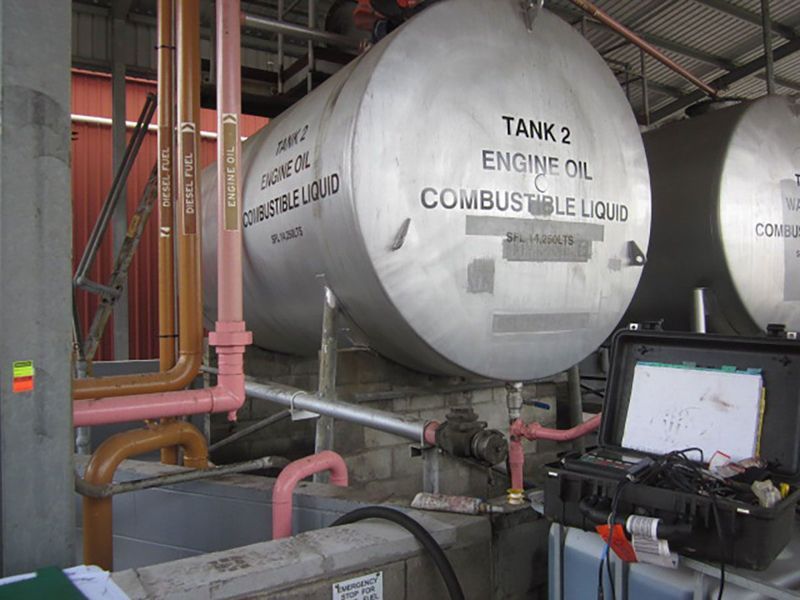
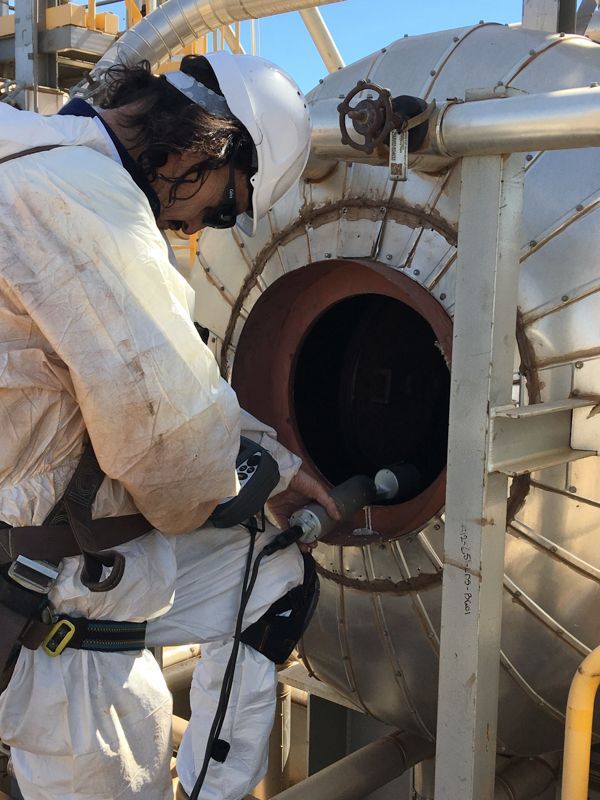
Non-destructive testing (NDT) refers to a group of inspection techniques used to evaluate the integrity of a material, component, or structure without causing damage. By using methods such as ultrasonic testing, magnetic particle inspection, or dye penetrant testing, industries can identify flaws early, maintain compliance, and reduce the risk of costly failures.
Why non-destructive testing is important
In sectors like mining, energy, and manufacturing, equipment operates under intense pressure and environmental stress. A hidden crack in a pipeline, a thinning boiler wall, or a faulty weld can lead to dangerous incidents, downtime, and regulatory breaches. NDT allows operators to:
- Detect defects before they become critical failures
- Maintain safe, compliant operations
- Plan repairs and maintenance proactively
- Extend the life of expensive assets
Common types of non-destructive testing
There are many different NDT methods, each suited to particular applications. Some of the most widely used include:
- Ultrasonic thickness testing (UTT): Accurate wall thickness measurements to detect corrosion and erosion.
- Magnetic particle testing (MPI): Detection of surface and near-surface cracks in ferromagnetic materials.
- Dye penetrant testing (DPI): Identification of surface-breaking flaws in welds, castings, and components.
- Vacuum box testing: Verification of weld integrity and leak tightness in tanks, vessels, and piping systems.
- Alternating current field measurement (ACFM): Non-intrusive detection of fatigue cracks in coated or welded structures.
- Positive material identification (PMI): Alloy verification to confirm material grade and specification.
- Hardness testing: Measurement of material strength and durability for welds, piping, and structural components.
Industries that rely on NDT
Non-destructive testing is applied across a wide range of industries:
- Mining and energy – to inspect pipelines, pressure vessels, and critical infrastructure.
- Construction – for structural steel verification and weld integrity checks.
- Aerospace and transportation – to ensure safety in aircraft, rail, and automotive manufacturing.
- Oil and gas – for offshore platforms, subsea pipelines, and refineries.
Wherever equipment failure could endanger lives, delay production, or cause environmental harm, NDT is a critical safeguard.
Benefits of non-destructive testing
Beyond its obvious advantage of avoiding damage to assets, NDT delivers:
- Cost efficiency: Reduces downtime by allowing in-service inspections.
- Accuracy: Provides reliable, traceable results for compliance and audits.
- Safety: Protects workers and operations by catching issues early.
- Lifecycle management: Supports long-term asset performance strategies.
NDT and compliance
In Australia, NDT is typically carried out in line with AS/NZS, ISO, and API standards. Certified inspectors ensure that results are audit-ready and meet the requirements of Work Health & Safety regulations. This gives asset owners confidence that their operations are both safe and legally compliant.
Contact the team at Q-RIIMS for non-destructive testing today
Non-destructive testing is more than a compliance requirement—it’s a proactive way to safeguard people, protect assets, and extend the life of critical equipment. Whether you operate in mining, energy, utilities, or industrial sectors, working with accredited specialists ensures your systems remain safe, reliable, and audit-ready.
Q-RIIMS provides certified NDT services across Australia, delivering precise results and clear reporting that support long-term asset integrity. To discuss your testing requirements or arrange an inspection, contact our team today by phone or message.
Frequently asked questions
What are the main types of non-destructive testing?
Common NDT methods include:
- ultrasonic testing (UT),
- magnetic particle inspection (MPI),
- dye penetrant inspection (DPI),
- radiographic testing (RT),
- vacuum box testing,
- positive material identification (PMI), and
- advanced methods of NDT
Why is NDT important in industry?
NDT helps detect flaws before they lead to failures, reduces downtime, maintains compliance with statutory standards, and extends the life of critical assets.
What industries use NDT?
NDT is widely used in mining, energy, oil and gas, construction, aerospace, and manufacturing — anywhere equipment failure could impact safety, operations, or the environment.
What standards govern NDT in Australia?
NDT in Australia typically follows AS/NZS, ISO, and API codes. Certified inspectors ensure testing is audit-ready, reliable, and compliant with Work Health & Safety regulations.